Surgery is never easy. This post will help you prepare for your child’s surgery as well as share what we do too.
It doesn’t matter how many surgeries your child has had, they just never get any easier.
If you are waiting for your child to have a surgery then I am sending lots of hugs your way!
There is so much about things like surgery that we cannot control, but focusing on the things that we can control does make it a little bit easier to cope with.
One of the things that we do have control over is the things that we do before our child’s surgery.
There are obviously the physical medical things that need to be sorted before surgery – equipment, having an OT and physio involved etc, accessibility to your home, maybe moving a bed downstairs, booking time off work etc.
But there are other less obvious things that help too.
Like giving the house a really good clean, which may not seem that important in the grand scheme of things, but actually helps us feel so much more in control of things.
I hope this blog post helps, and I’m here if you need any more ideas!
We have done almost 20 surgeries now so I feel like we are slowly becoming experts at something I didn’t plan to be an expert in.
Do your research about the surgery
I am very guilty of burying my head in the sand just a little bit.
Sometimes it seems like not knowing is better than knowing.
But even though it can be hard to hear the exact details of what is going to be happening in the surgery, it’s always better to know than to let your mind run wild.
Your mind is always going to make things 100 times worse.
So find out the facts.
Some questions to ask before the surgery:
- What will be being done in the procedure?
- How long will the surgery take?
- How long will you be in hospital for?
- What will the recovery at home look like, how long?
- How long will they need to be off school etc for?
- How long before they are able to do their usual activities for?
- How long before they can bath etc
Knowing these things really does help.
Having an idea of how long recovery at home is going to look like helps you keep your expectations in check and to know how long you need to book time off work/get extra help etc.
Ask other parents
When Anest had her hip surgery, the hip surgeon was quite optimistic when talking about recovery – it would be a really hard 6 weeks and then okay from there.
It was actually a lot longer than that, and Anest was off school for almost 6 months and it was seriously hard and slow going.
But, I had already done a bit of research by googling and finding parents on instagram etc or reading other parent’s blog posts whose child had already had the surgery so I felt I was already prepared that it wasn’t going to be quite as smooth sailing as the consultant had said.
I think other parents experiences are sometimes a lot more helpful because they have actually lived it.
That’s not to say that the doctors don’t have a rough idea, but the parents do have more day-to-day experience.
So research both ways – by asking the consultant/pre-op nurse lots of questions and by asking other parents.
Plan what you need for post-op and recovery
One of the good things about planning before hand is that you can make sure you have everything you need ready for coming home for recovery.
And for in hospital too.
Before Anest’s hip operation, when I was reading other people’s blog posts etc about what the surgery or similar surgeries was like for their child in recovery I noticed a lot of people saying to make sure you get a roll type cushion to go under their knees post surgery – and it was the best thing we did for Anest’s comfort.
We still use it now.
Things like realising the surgery was going to be very hard going and Anest was going to need a lot of lying down helped us decide to bring a bed downstairs for her because we didn’t want her to be upstairs on her own and we didn’t want to be just stuck upstairs either.
Planning ahead meant we had time to get a bed that we could have downstairs for Anest temporarily.
Contact your OT and Physio
Getting your child’s OT and physio involved and ready for the surgery makes life easier too.
The physio was able to work with the hospital physio and to help with physio stretches at home.
The OT was able to make sure we had all the equipment we needed so that we would be able to come home asap.
One of the things our OT helped us arrange after Anest’s hip surgery was to get a portable hoist for our downstairs living room so we could get her in and out of bed.
So think about what you are going to need post op and make sure you give plenty of time because everything is painfully slow.
Especially waiting for equipment.

Plan out life
When things like this happen, surgery or bigger things, it feels like life comes to a halt a little bit.
We have to zoom in on this thing.
But in the background, the rest of life still goes on.
So to make things less stressful for yourself you need to be planning and thinking ahead about all the other stuff that is going to be going on at the same time.
Any bills that need paying.
Check if there are any birthdays coming up, order a card and a present ready. Send them early so you don’t forget to send it.
Or at least set a reminder on your phone for it.
Is there anything coming up with the schools for your other children that you need to get things for, or sort out someone else to go for you or sit with your child who has had surgery for you to go.
It can feel like a lot and a bit overwhelming having all these things to think about, but when you are in the thick of it, you are going to be so glad that you took the time to do them.
Another top tip is to book in some grocery orders so you don’t need to worry about going to Tesco for a little while!
How to plan it out
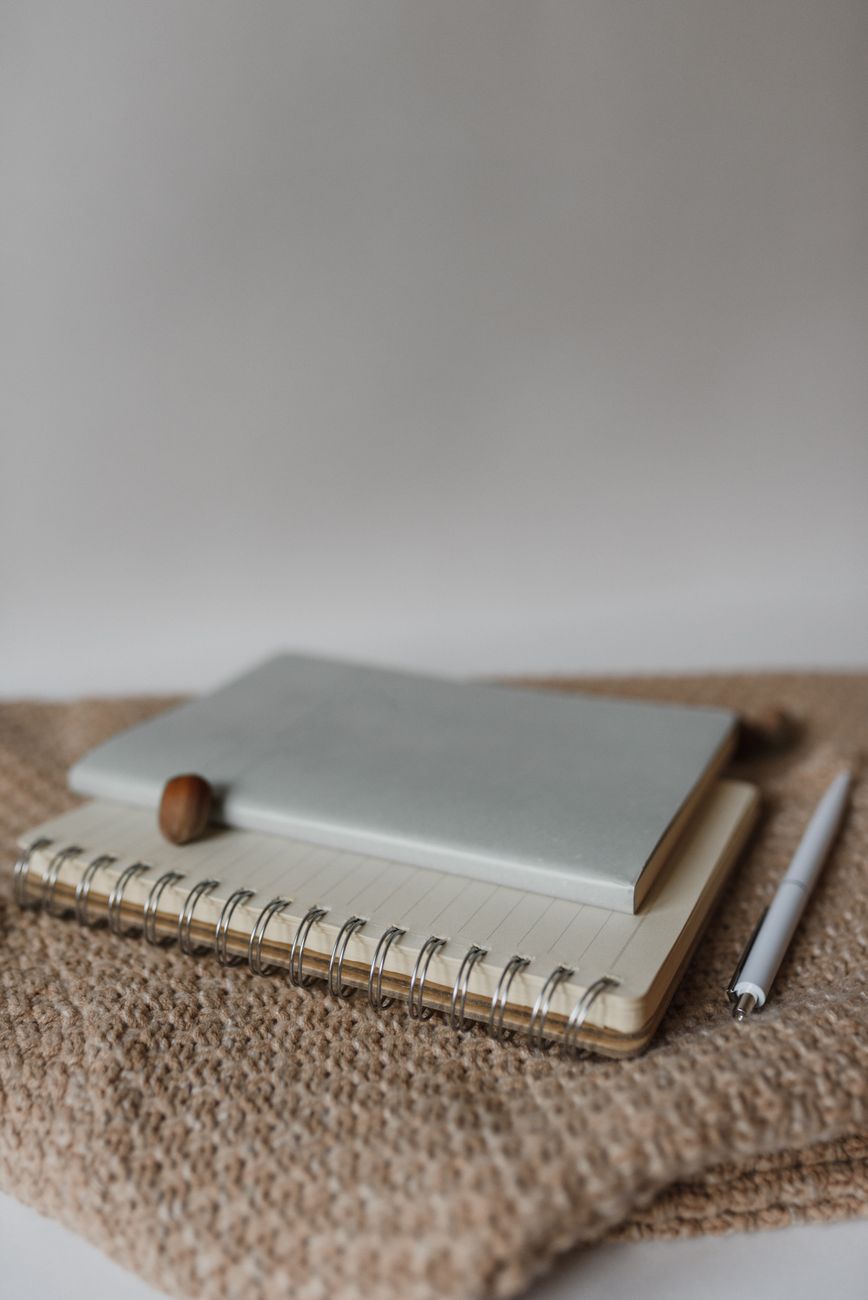
If you are a bit unsure about where to start, this is my approach.
- Get a blank notebook and just brain dump, all the things you would like to get done before the surgery, anything going on in your brain just write it down.
- On a new blank page, grab your calendar and look at what is coming up over the period of surgery and recovery, write down anything and everything coming up – birthdays, anniversaries, school events, appointments etc
I would do at least a month even if they say recovery is very quick, definitely do it for 6 weeks plus if its a bigger surgery. - Alongside that list, make a todo list of all the things you need to do for those tasks.
e.g. buy a card and present for John. Get a world book day costume for child two. Ask Dad to pick up take child 1 to football every Wednesday for a month. Pay the Next bill by the 19th. - Grab your brain dump list and your calendar list, and make a plan.
You could add the tasks to your normal todo list, or make a new tidier todo list with everything on there.
Make a plan for when you are going to do those things so that you are not frantically scrabbling around the week of the surgery trying to get everything done.
Make a plan and make things a bit easier for yourself.
I do have this blog post all about brain dumping, which gives more advice on how to sort the tasks out after if you need a bit more help.
Just doing this one step is going to make you feel a million times more in control of the situation.
Stock up
There is a lot of things to think about, and the last thing you need is to run out of medication or blended food or whatever else you rely on.
Medication
Check how much medication you have (for your child and YOU, and other children) work out when it will run out and make a plan.
If it’s going to run out during the surgery, if you phone your GP they are usually pretty good at prescribing earlier so you don’t need to worry about it over the surgery.
Set a reminder on your phone for when it does need to be re-ordered so it doesn’t get missed.
Pain-killers for post surgery
Make sure you have plenty of pain killers ready for when you get home, more than you expect you need.
There isn’t actually much in a bottle of calpol, and we can only get 4 doses out of it for Anest now she’s older, which means we go through a bottle a day at the beginning.
So make sure you get plenty.
I aim for at least enough for 2 weeks of Paracetamol and Ipubrofen, which looks like a lot but it’s better to have plenty than to run out when they really need it.
Stocking up on blended food
When we have a surgery, I like to stock up enough blended food for 6 weeks, but at the minimum a month.
Anest doesn’t like the blender and I want things to be as stress-free as possible for her in her recovery period, so having a well-stocked freezer of belly food helps.
In the run up to surgery I tend to make bigger portions of food – double or triple the quantity – and then after we have had our dinner, I blend what’s left for Anest.
I will occasionally just cook and blend an entire meal for Anest, but I don’t love doing it, I have the same thoughts about batch cooking, and I like that when I just freeze whats left from our dinners Anest is having more of a range of different foods with different minerals and vitamins etc.
6 weeks worth of food happens surprisingly quickly once you get into the habit of blending little and often.
The other way I get prepared is to have enough packaged blended food to take to hospital with us.
If the hospital says we will be in for one day, I make sure I have enough for a week just in case.
We buy the Wilbo’s blends sachets, they attach to the syringe (with an adapter), they can be given cold and they make life a lot easier.
They are also what we take on days out because it just makes everything a bit easier.
Make a packing list
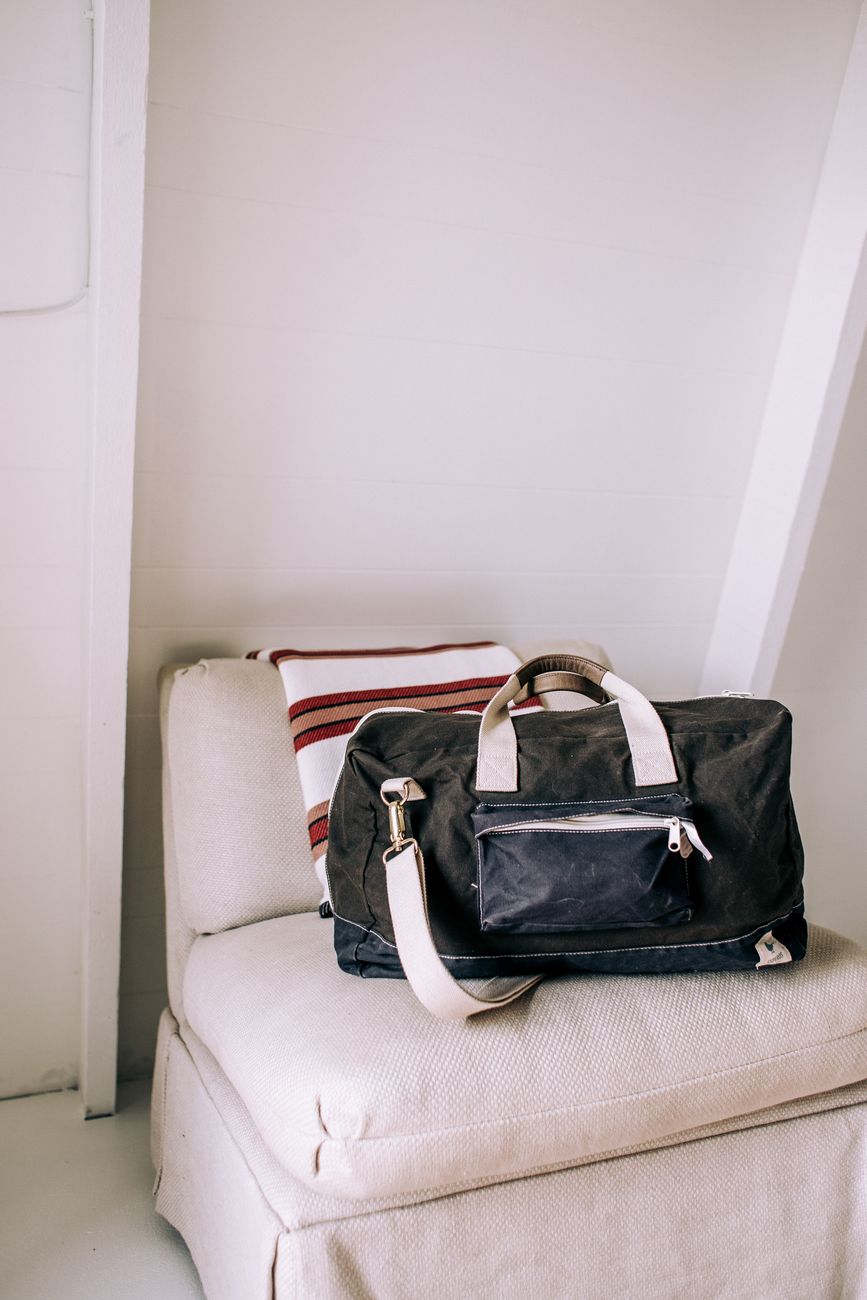
Make sure you make a packing list in plenty of time.
Closer to the surgery you are going to find it difficult to focus properly so do it asap.
The last thing you need is to forget the syringe adapter or the sling or their favourite toy at home.
Make you take plenty of clean pyjamas for them – you go through more than you expect, especially if they are a bit sick after surgery.
Make sure you have a bit of a selection of clothes.
I usually make sure we have a cosy blanket and warm socks and long trousers – you can feel a bit cold after surgery.
But sometimes the wards can be so hot, it’s good to pack some cooler shorts just in case.
We always take our own pillow too, hospital pillows are never very nice and it just smells like home.
Favourite teddies and toys and ipad etc are important too!
If you have your own hospital gown, take that too.
Being we have quite a lot of surgery it’s nice to have a familiar, smells like home one – but for one off surgeries a hospital gown is fine!
We got our hospital gown for Anest from Pyjama Fairies if you did want to get your own.
Things to think about when packing:
- Loose comfy Clothes
- Pyjamas (presume they are going to be in pjs the entire time and coming home in them!)
- If having hip surgery you could consider a night-dress, we did but ended up just wearing shirts and a blanket
- Hospital gown if you are bringing your own
- Underwear
- Socks & fluffy socks
- A pillow from home
- A soft blanket
- Dvd player (and some dvds)
- Ipad etc
- Phone chargers
- Toothbrush & Paste
- Dry shampoo
- Brush & bobbles etc
- Top to toe wash or body wipes
- Nappies
- Wipes
- Nappy bags
- Any medical bits – dressings, medication, eye drops etc
- Books
- Syringes
- Any food
- Snacks
- Sling
Remember things for you too!
- Book
- Puzzle book & pen
- Crafting bits
- Phone chargers
- Snacks
- Deodrant & toiletries
- Spare clothes
Make your child a goodie-bag
You probably don’t need to be reminded about this one!
Getting your child a card and a present for after the surgery is always a nice thing to do.
We usually have a gift bag, we don’t wrap because unwrapping can be a bit hard for Anest and the last thing she needs after a surgery is to be unwrapping things so we have a gift bag she can just pull presents out of.
We usually get things that suit in hospital or for the days at home following surgery.
Things like:
- a couple of new books
- a low effort craft activitiy
- a colouring book and some new felt pens
- a soft toy
- a new dvd
- an ipad/tablet voucher so they can buy something new on their game/ipad
- some fluffy socks/blanket/pjs
It’s nice for them to have something to do to pass the time in those quieter days.

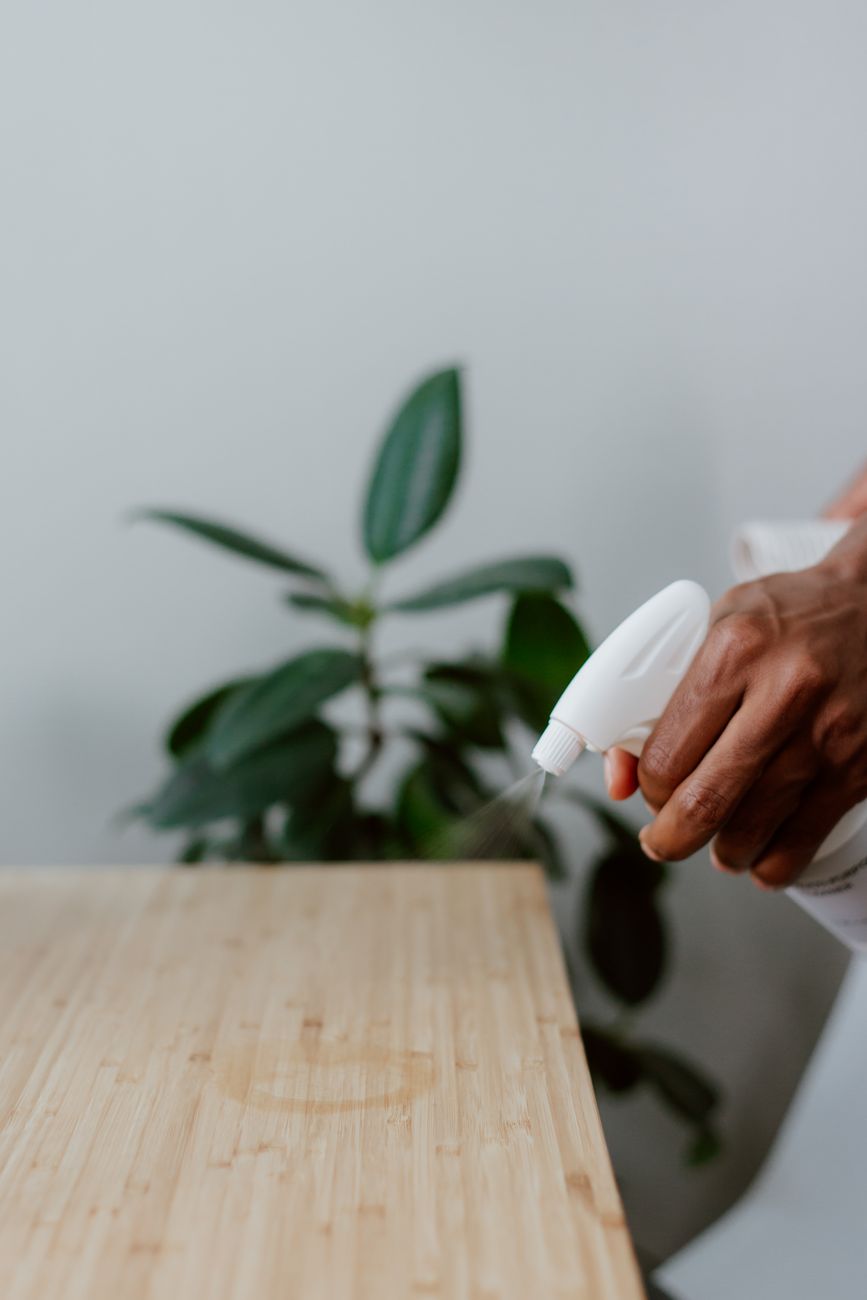
Deep clean your home
In the run up to the surgery, it can be a bit hard to focus on things.
One of the things I like to do is to deep clean the house.
Firstly, it gives me something to take my mind off things and something to focus on.
It gives the feeling that I am doing something when the whole situation can feel a bit out of our control.
Secondly, having a clean home makes us feel a lot calmer.
It’s also nice in those weeks after surgery not having to worry about the house.
You know it’s clean, you know if someone pops by to see your child that the house is clean (not that they would be judging you if it wasn’t!).
It just helps.
I highly recommend it.
BUT, if deep cleaning your home makes you feel even more stressed out then don’t do it.
I hope this all helps, feel free to reach out if you want to chat about things!
Beth x